Background
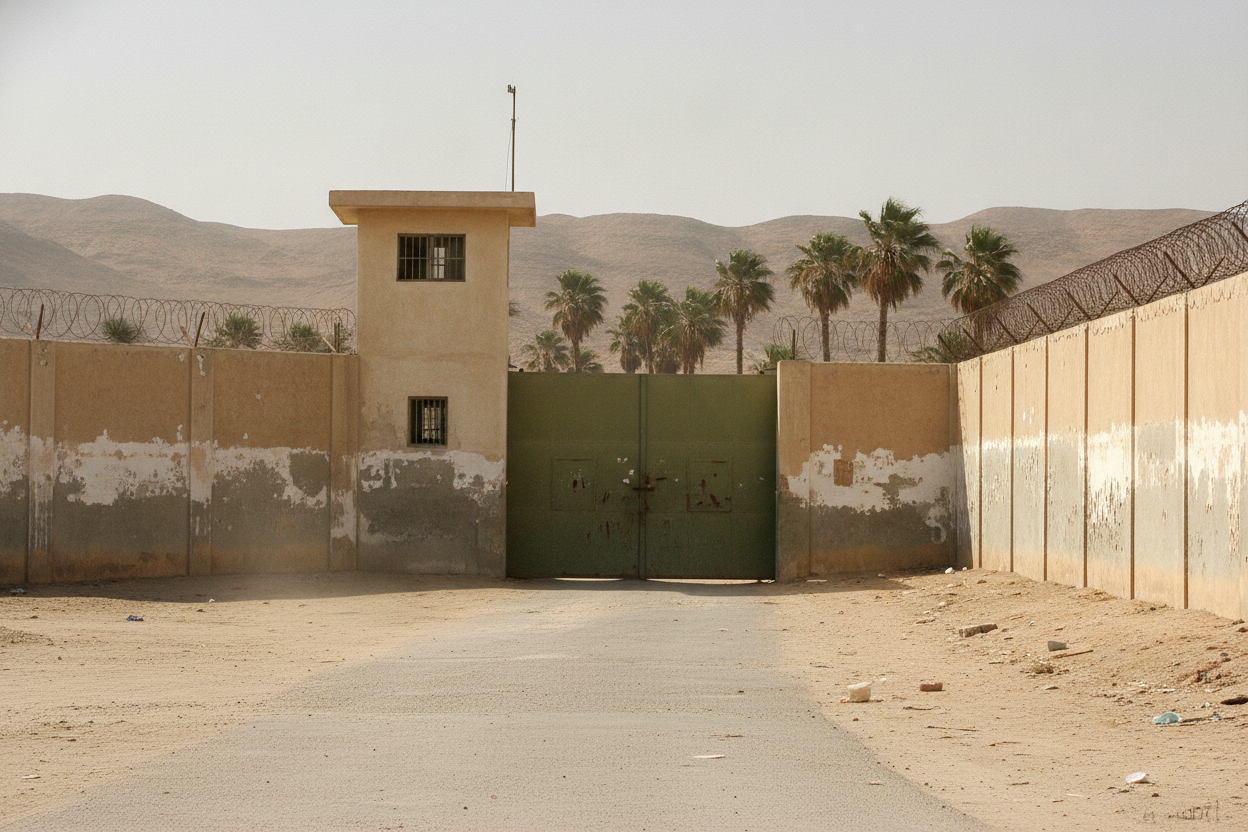
Prison visits are part and parcel of consular work. You check on the prisoner’s health and make sure they are being treated fairly. You pass on messages to family and listen to their complaints. You do it for everyone, whatever they are accused of.
In 2009 I made one prison visit that tested that principle more than most, because the man behind bars had fraudulently taken my money, and I found out that I was to be the consular officer who would deal with his case.
This particular UK national had been arrested by the Egyptian authorities in Hurghada on a charge of fraud and theft. The fraud part was the selling of off-plan apartments to foreigners, taking large deposits from them, pocketing the money and not completing any of the work. The theft part was the non-payment of funds to the local Egyptian builders contracted to complete the work, which amounted to many hundreds of thousands of pounds.
As in the majority of such detention cases of UK nationals overseas, the embassy was notified by the local Ministry of Foreign Affairs of the arrest of the individual, the charge and where they were being held. As a matter of formality, the Ministry would also usually grant the embassy consular access to the prisoner for a welfare prison visit, and this is what the Egyptians granted us permission to do.